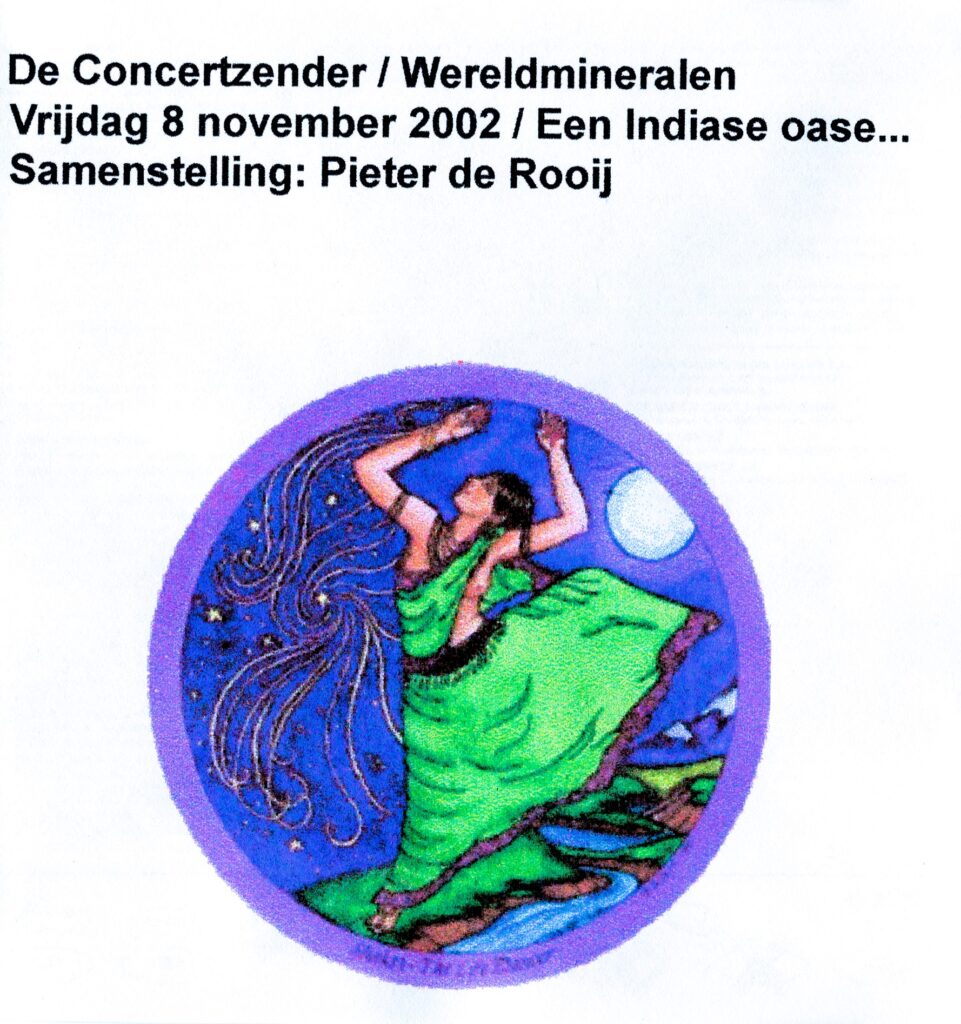
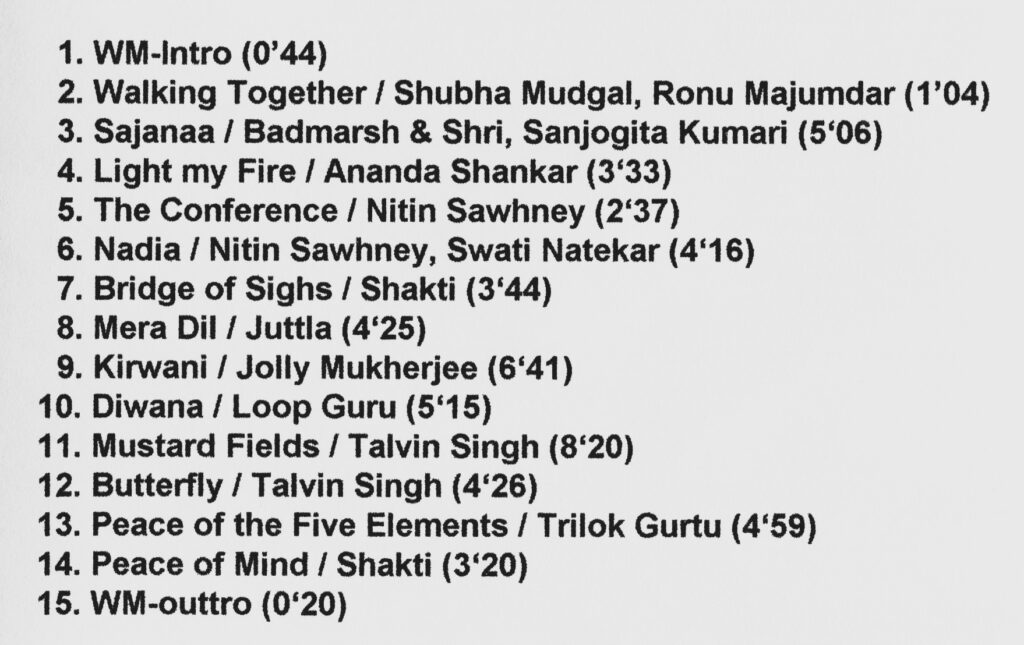
Programma ihkv ‘All India Day’ bij de Concertzender op 8 november 2002 – van de 23-uurs programmering op die geheel aan India gewijde dag nam ik 11 uren voor m’n rekening. Dit is een aflevering van Wereldmineralen, getiteld ‘Een Indiase Oase…’ Met chill out-klanken en groovy beats van Shubha Mudgal, Badmarsh & Shri, Ananda Shankar, Nitin Sawhney, Shakti, Juttla, Jolly Mukherjee, Loop Guru, Talvin Singh, en Trilok Gurtu. Samenstelling en produktie: Pieter de Rooij. Stem bij intro-leader en outtro-leader: Roel Kluver.
Programma ihkv ‘All India Day’ bij de Concertzender op 8 november 2002 – van de 23-uurs programmering op die geheel aan India gewijde dag nam ik 11 uren voor m’n rekening. Dit is een special over India Jazz & Fusion. Sinds de vroege jaren zestig wordt er in jazzkringen driftig geëxperimenteerd met Indiase muziek. De meest recente en vernieuwende wapenfeiten in deze richting spelen zich af binnen de global fusion. Met muziek van John Mayer en The Joe Harriott Double Quintet, Buddy Rich en Alla Rakha, Shakti, Ramesh Shotham, Hariprasad Chaurasia, Trilok Gurtu, Shobha Gurtu, Tabla Beat Science/Zakir Hussain/Bill Laswell, en L. Subramaniam. Samenstelling en produktie: Pieter de Rooij. Presentatie: Roel Kluver.
Op Mixcloud heb ik weer een van m’n vroegere Concertzender-radioprogramma’s toegevoegd, namelijk een aflevering van ‘Metamorfosen’, gewijd aan het onderwerp ‘exotisme in westerse popmuziek’, uitgezonden op 18 april 1997. Met muziek van The Beatles, Joni Mitchell, Jimi Hendrix, Led Zeppelin, Brian Eno&David Byrne, Deep Forest, Adiemus, Dead Can Dance, Oum Khalsoum, Sapho, Hector Zazou, Vimme Saari, Leftfield, Loop Guru, Natacha Atlas, Lena Willemark. Samenstelling en productie: Pieter de Rooij. Presentatie: ?
Een van mijn eerste programma’s die ik maakte voor De Concertzender, opgedoken in mijn thuisarchief: de West-Afrikaanse harpluit, de kora – aflevering uit de programmareeks ‘Metamorfosen’, uitgezonden op De Concertzender op 7 oktober 1993. Samenstelling, tekst en produktie: Pieter de Rooij. Presentatie: ?
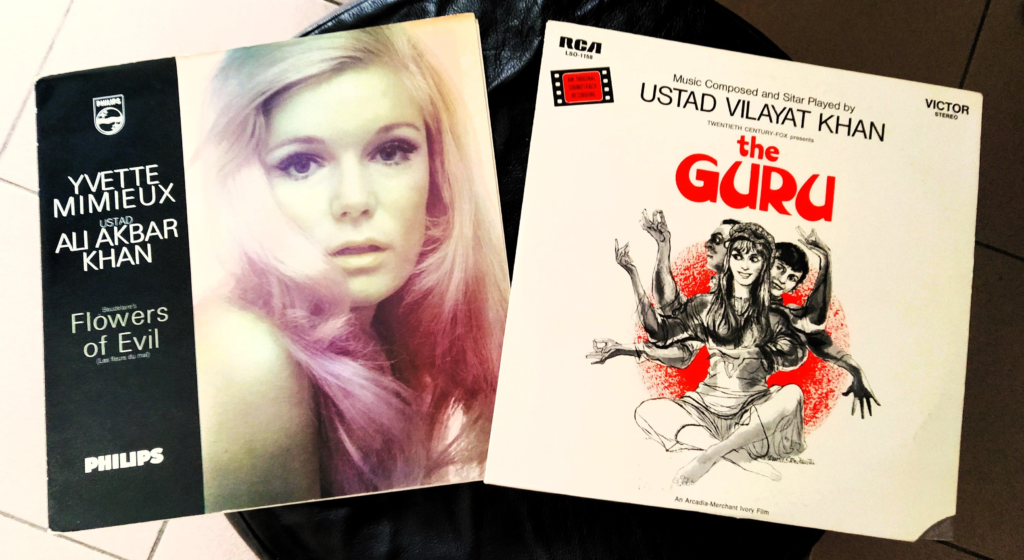
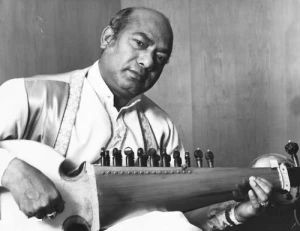
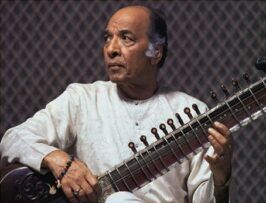
In mijn editie van Concertzender‘s Wereldmineralen van 8 september jl. – te beluisteren via deze link – is muziek te horen van en door twee wereldberoemde grootmeesters van de Indiase raga, Ustad Ali Akbar Khan(1922-2009), bespeler van de sarod, de Indiase fretloze luit, en sitarspeler Ustad Vilayat Khan (1928-2004). Van deze twee gelauwerde muzikanten dook ik in mijn platenkast twee interessante lp’s op uit de jaren zestig.
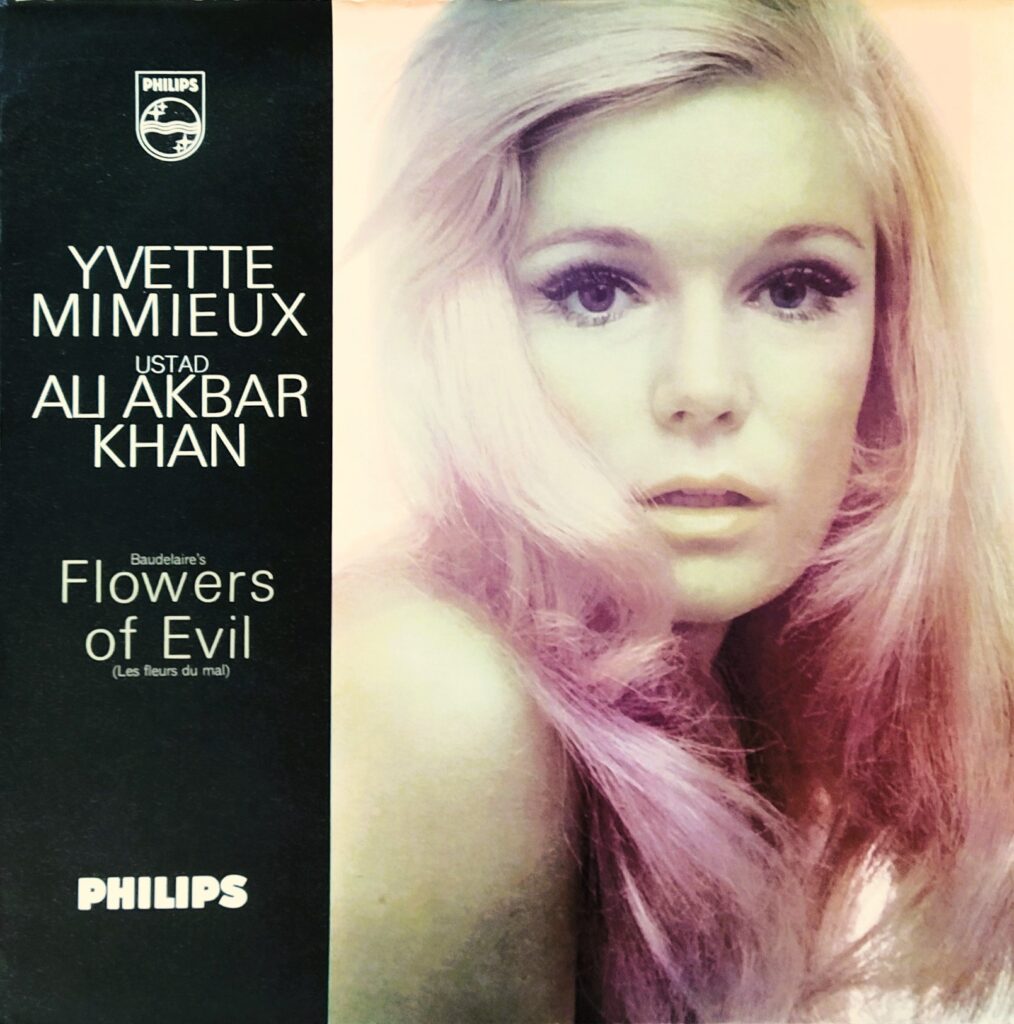
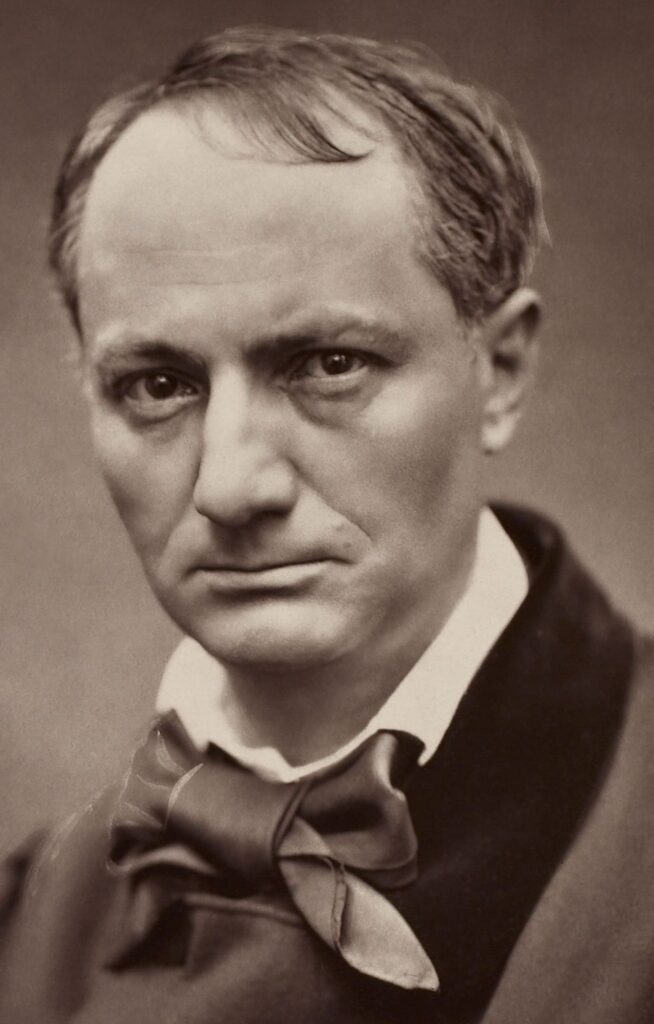
De ene lp, te horen in het eerste halfuur, is het in 1968 verschenen album Flowers of Evil van sarodspeler Ali Akbar Khan in samenwerking met Yvette Mimieux (1942-2022), een Amerikaanse actrice. Yvette Mimieux draagt een aantal gedichten voor van de Franse 19e-eeuwse dichter Charles Baudelaire (1821-1867), afkomstig uit diens beroemde, in 1857 uitgegeven werk Les Fleurs du Mal, ofwel De Bloemen van het Kwaad. De voorgelezen gedichten worden met het sarodspel van Ali Akbar Khan (en het tablaspel van Mahapurush Misra) subtiel omgeven met passende ragaklanken, en dit levert een bijzonder sfeervol album op waarbij Indiase muziek en Franse poëzie wondermooi met elkaar versmelten tot unieke toongedichten.
Ali Akbar Khan
Yvette Mimieux prijkt op de front cover van de lp
Charles Baudelaire
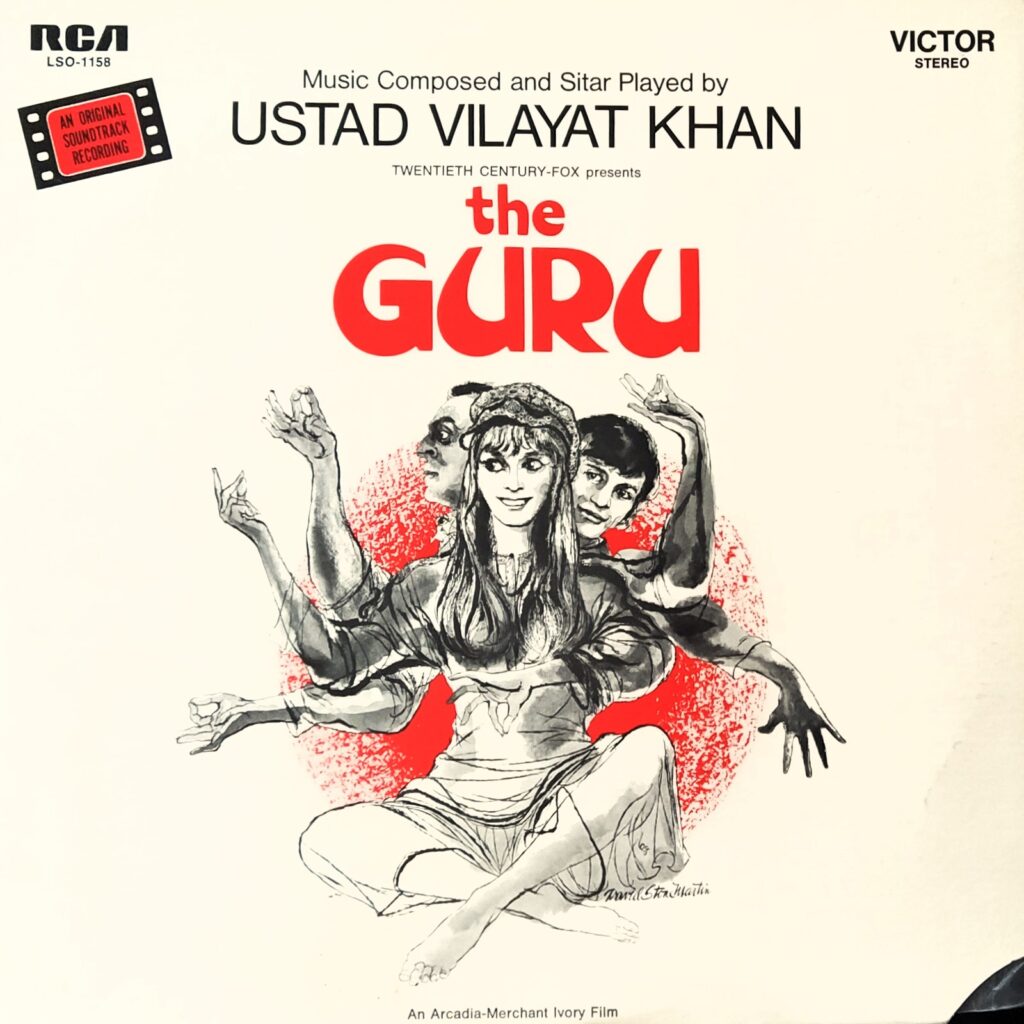
Aan bod in het tweede halfuur komt een lp met de soundtrack van de Amerikaans-Indiase filmkomedie The Guru uit 1969. De muziek is gecomponeerd en wordt ook deels gespeeld door sitarspeler Ustad Vilayat Khan. Het verhaal van de film doet denken aan George Harrison van The Beatles, die in de jaren zestig sitarles nam bij de beroemde sitarspeler Ravi Shankar. Zo neemt ook in The Guru een beroemde Engelse popmuzikant, genaamd Tom Pickle (gespeeld door de acteur Michael York), les bij een Indiase grootmeester op de sitar. De moraal van het verhaal komt erop neer dat de Westerse popmuzikant om werkelijk goed Indiase ragamuziek te leren spelen zich eerst volledig moet onderwerpen aan het veeleisende leersysteem van zijn Indiase goeroe.
Speellijst
To A Passer-By A Voyage To Cythera Murdered Woman Episode Componist: Ali Akbar Khan. Tekst: Charles Baudelaire. Uitvoerenden: Ali Akbar Khan, Yvette Mimieux, Mahapurush Misra. Album: Flowers of Evil (Les Fleurs du Mal). Label: Philips SBL 7845, P. 1968.
Tom’s Arrival / The Guru’s House / Carriage Chase Jenny’s Theme The Haunted Palace: Arrival / The Courtesan’s Ghost / Revels / Murder Componist: Vilayat Khan. Uitvoerenden: Vilayat Khan e.a. Album: The Guru (soundtrack). Label: RCA LSO-1158, C 1969.
Tom’s Boat Song Componist: Imrat Khan. Tekst: R. Prawer Jhabvala. Uitvoerenden: Michael York e.a. Album: The Guru (soundtrack). Label: RCA LSO 1158, C 1969.
Jenny’s Theme (2) The Pupil And His Master: Rag Bilawal Arrival In Benares The Begum’s Lament Train Journey* Jenny’s Theme (3) Componist: Vilayat Khan. Uitvoerenden: Vilayat Khan e.a. Album: The Guru (soundtrack). Label: RCA-LSO 1158, C 1969.
Tom’s Boat Song (Reprise) Componist: Imrat Khan. Tekst: R. Prawer Jhabvala. Uitvoerenden: Michael York e.a. Album: The Guru (soundtrack). Label: RCA LSO 1158, C 1969.
Concert In The Haunted Palace Componist: Vilayat Khan. Uitvoerenden: Vilayat Khan e.a. Album: The Guru (soundtrack). Label: RCA-LSO 1158, C 1969.
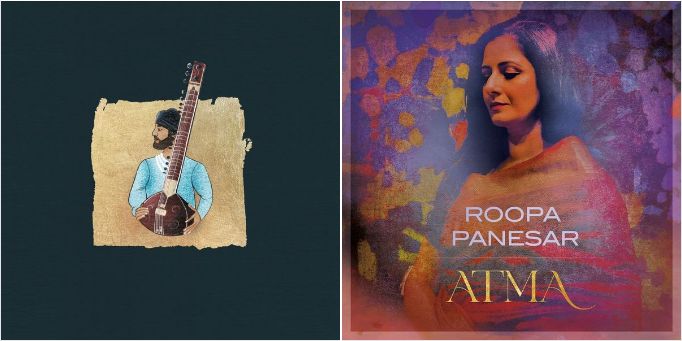
In mijn jongste editie van het radioprogramma Wereldmineralen, uitgezonden op vrijdag 30 juni 2023 om 20.00u op De Concertzender, waren recente opnamen te horen van twee Britse topmuzikanten: sitarspeler Jasdeep Singh Degun en sitarspeelster Roopa Panesar. Van Jasdeep komt diens in 2022 verschenen album Anomaly aan bod en van Roopa het prachtige nieuwe album Atma.
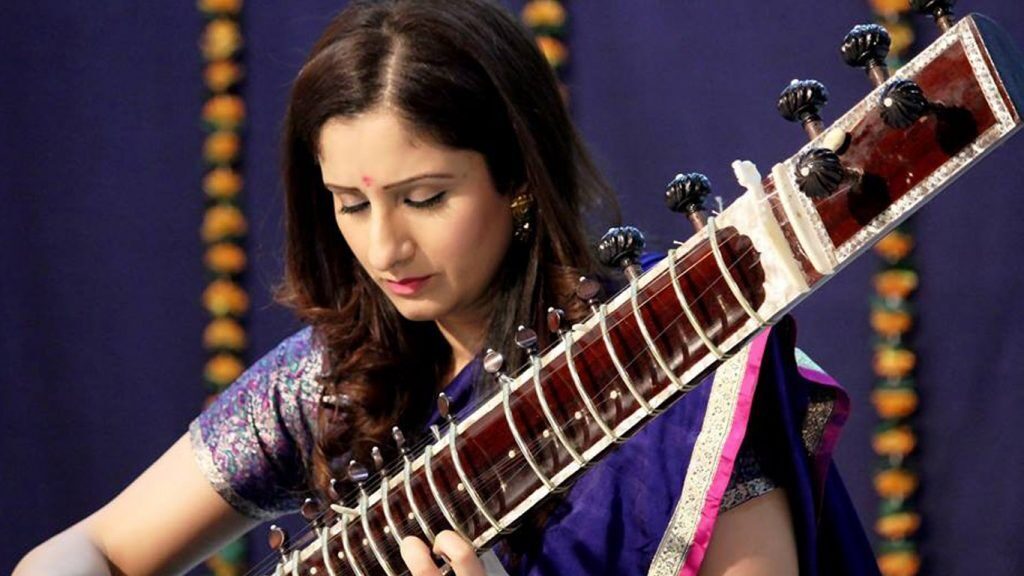
Ik ben al jaren enorm fan van Roopa Panesar’s sitarspel en heb al meermaals uitzendingen aan haar gewijd op De Concertzender. Zij leverde al diverse schitterende albums af en het dit jaar verschenen Atma behoort tot mijn topfavorieten van 2023.
Roopa Panesar
Het is nu toch echt wel de hoogste tijd dat Roopa es komt concerteren in Nederland! Zij is van wereldklasse!
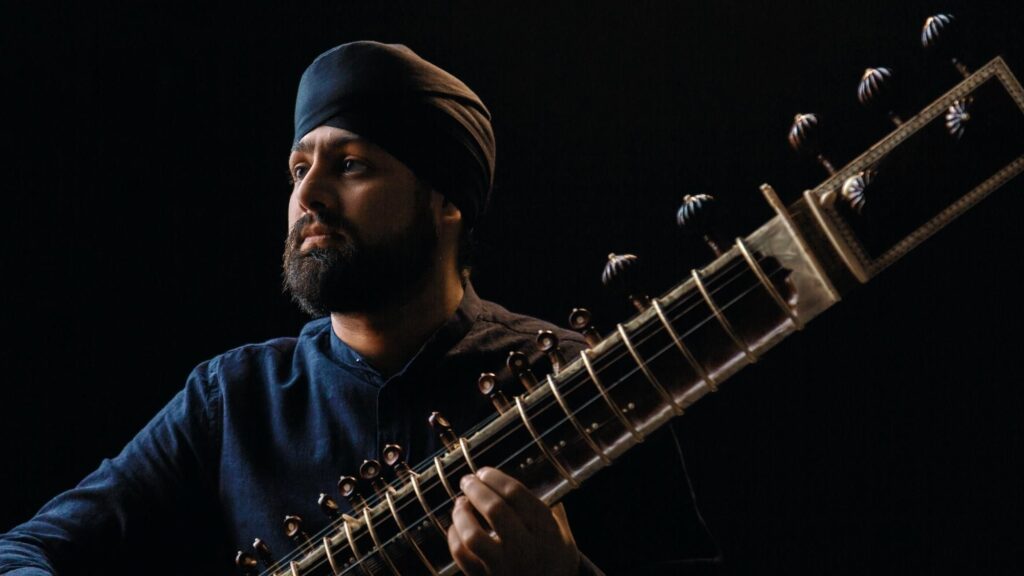
Ook van eminent niveau is sitarspeler Jasdeep Singh Degun.
Jasdeep Singh Degun
Jasdeep debuteerde in 2022 met het fraaie album Anomaly en maakte in het voorjaar van 2023 in Nederland zijn opwachting met een concert in De Doelen van Rotterdam. Anomaly is een veelzijdig album, met een knappe mix van stijlen, en op één nummer na geheel instrumentaal. Van de enige track met zang, het fraaie Sajanava, is ook een mooie video gemaakt:
Via deze link krijg je meer informatie en kun je de Wereldmineralen-uitzending van 30 juni jl. permanent naluisteren.
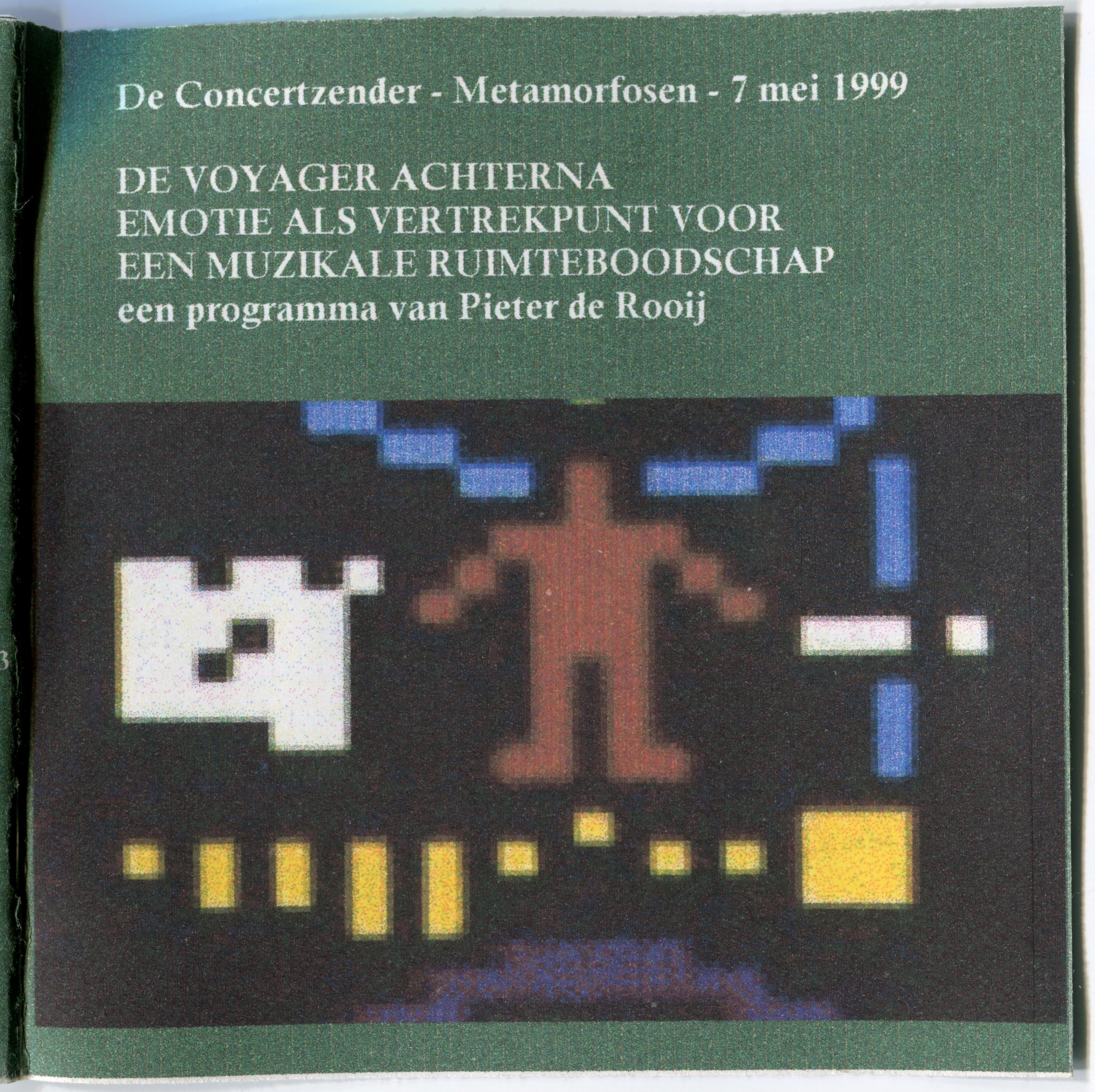
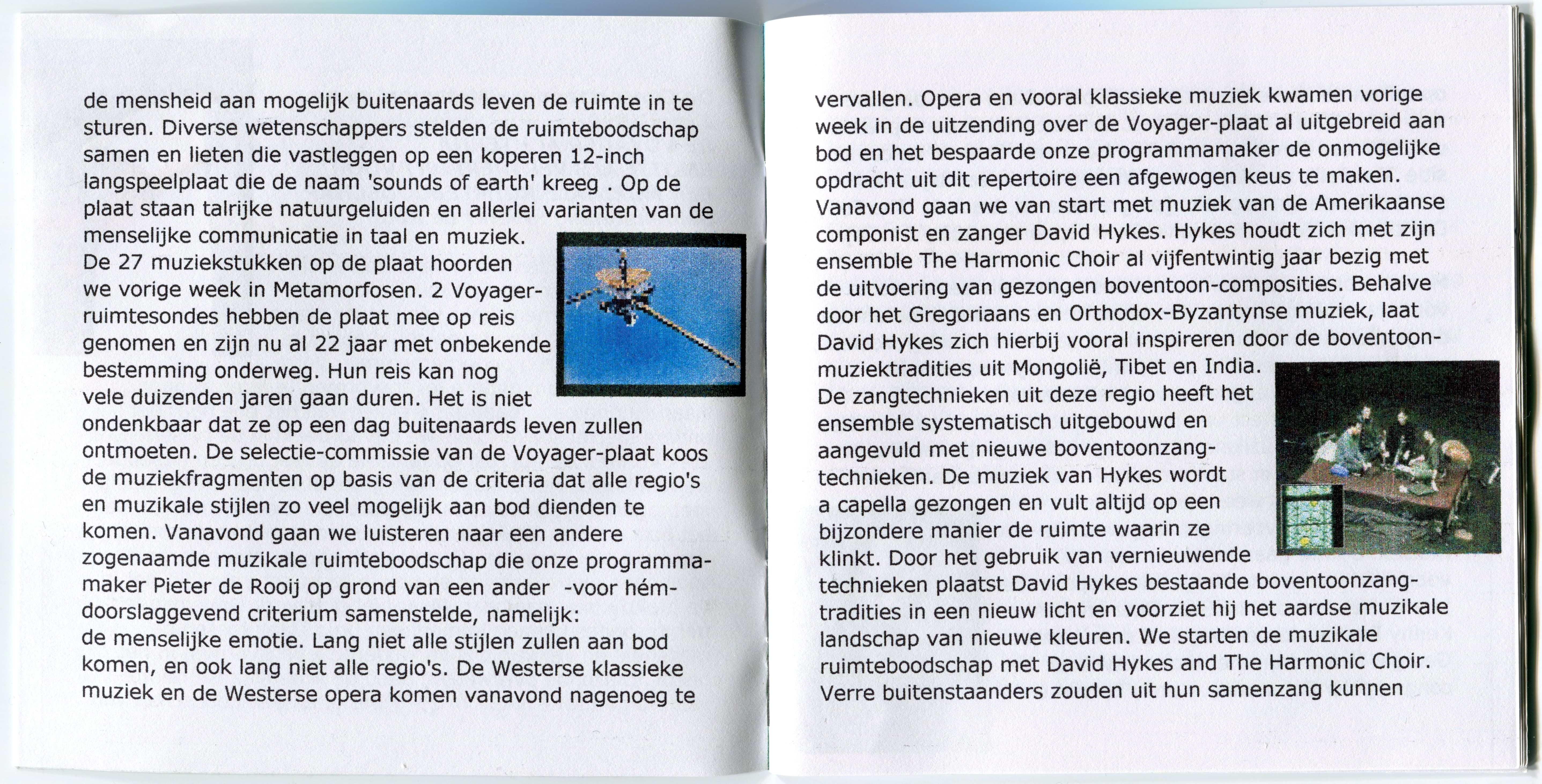
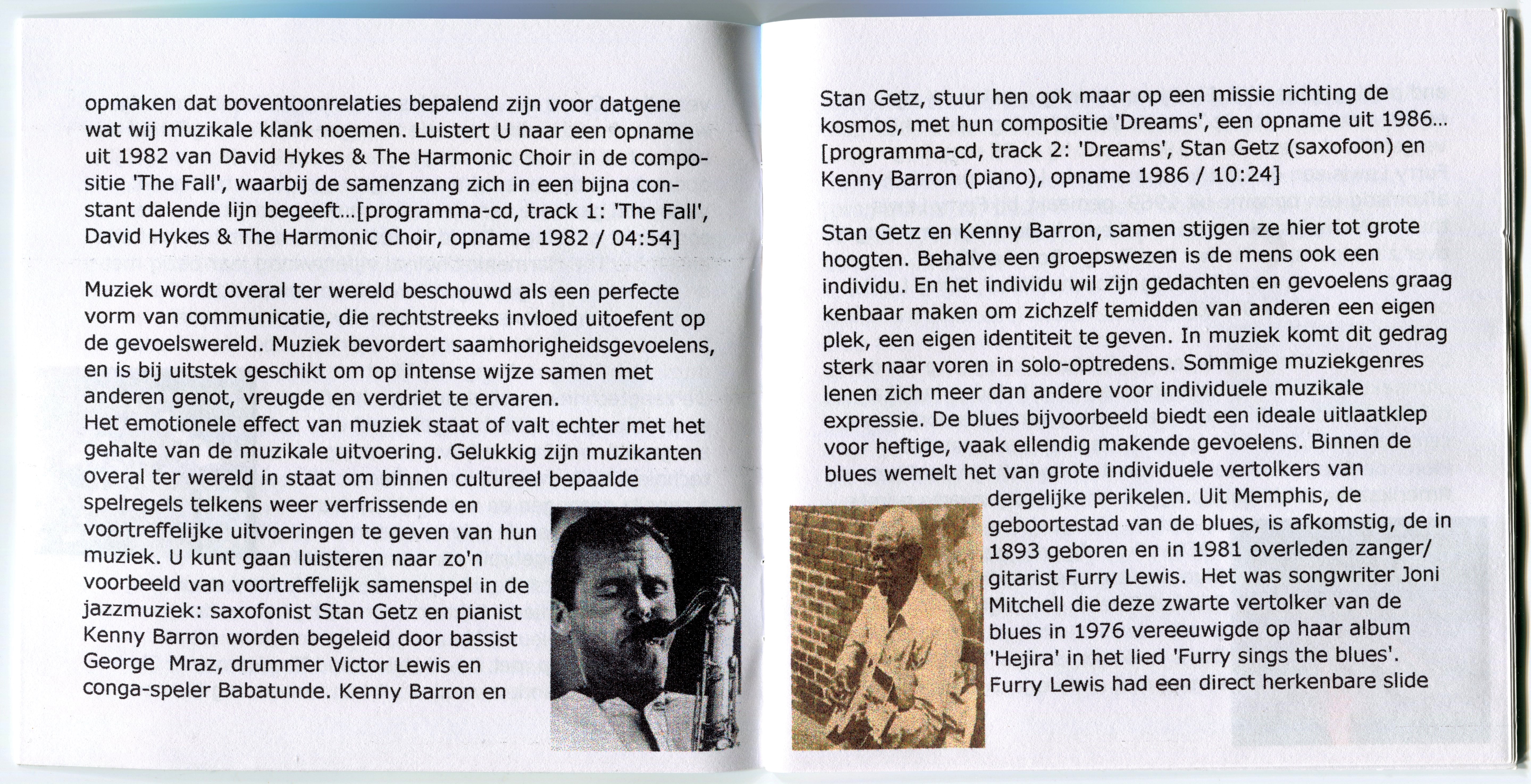
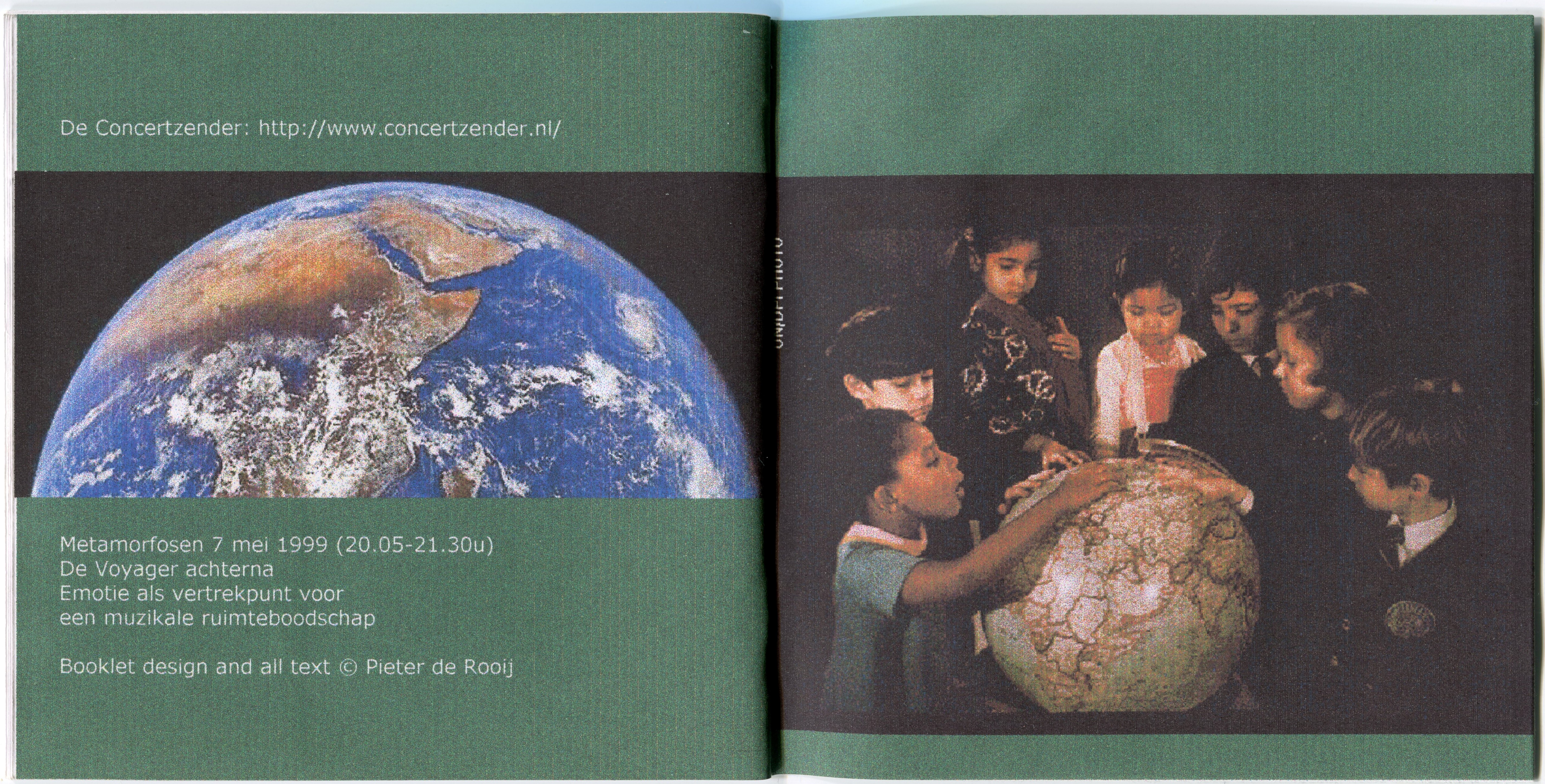
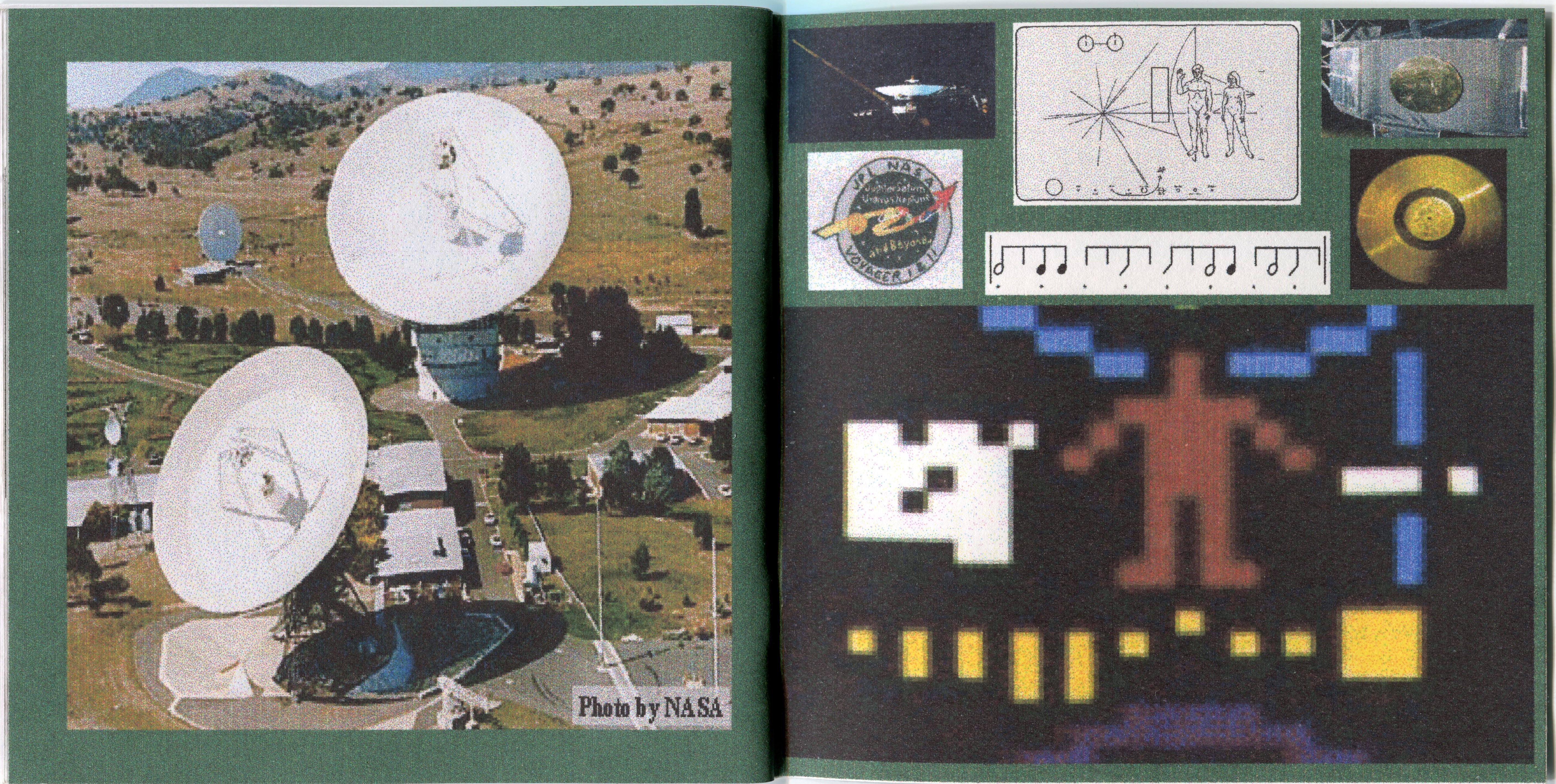
Concertzenderprogramma ‘De Voyager Achterna – Emotie Als Vertrekpunt Voor Een Muzikale Ruimteboodschap’, versie die werd ingezonden voor de EBU World Music Award 2000. Samenstelling, tekst en produktie: Pieter de Rooij. Presentatie: Paulo Folkertsma.
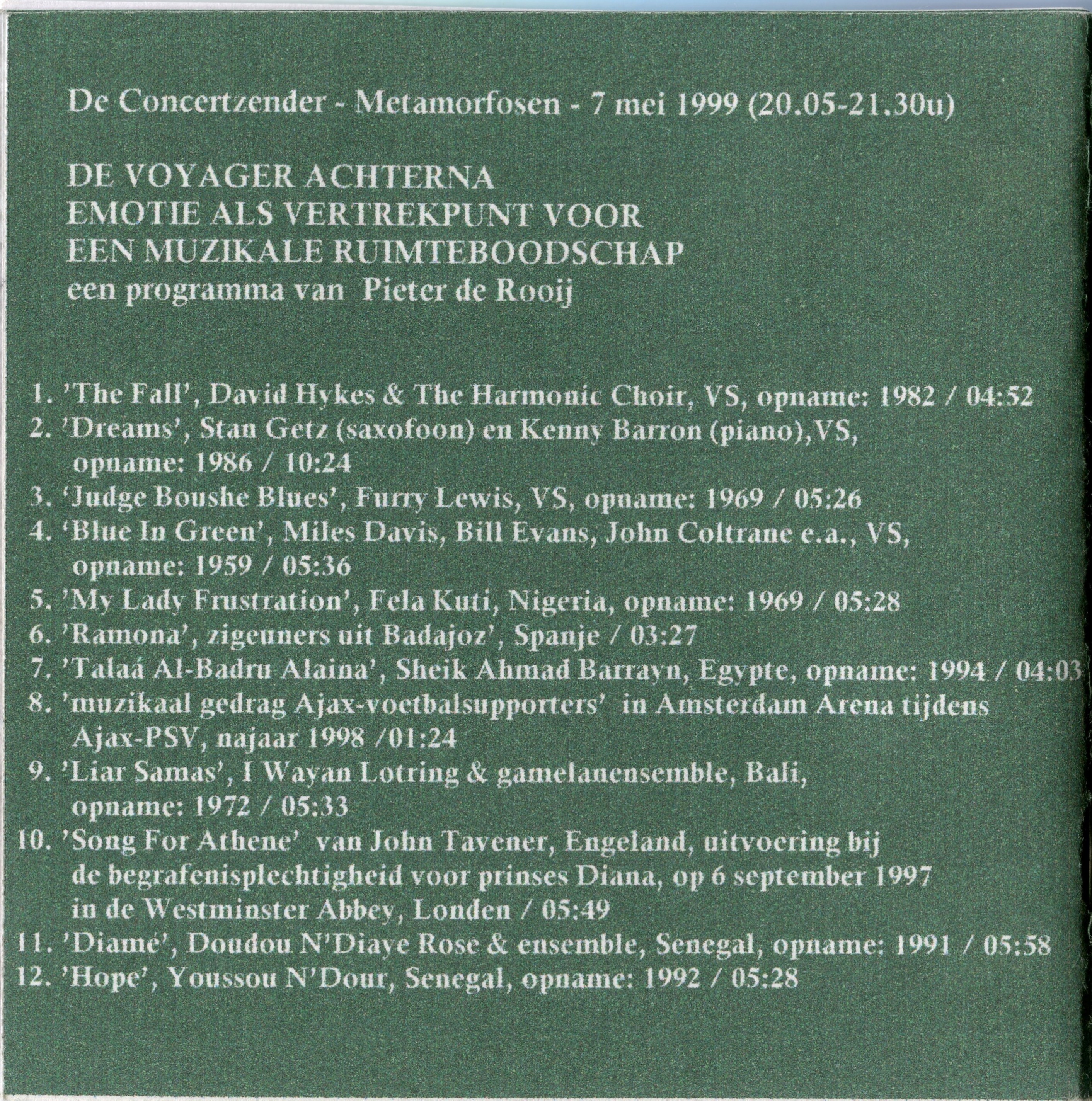
Concertzenderprogramma Metamorfosen, uitgezonden op 7 mei 1999. Aflevering: De Voyager Achterna – Emotie Als Vertrekpunt Voor Een Muzikale Ruimteboodschap. Samenstelling, tekst en produktie: Pieter de Rooij. Presentatie: ?
Concertzender radioprogramma ‘Een Internationaal Gehoor’, uitgezonden op 4 februari 2000. Samenstelling, tekst en produktie: Pieter de Rooij. Presentatie: Marlous Lazal. Radio Nederland Wereldomroep (1947-2012) verzorgde radio- en televisie-programma’s voor een internationaal luisteraars- en kijkerspubliek. De Wereldomroep maakte ook opnamen van uiteenlopende muziek die op de Nederlandse podia wordt gespeeld. Het merendeel van deze opnamen betreft Nederlandse ensembles en artiesten. Van de diverse muziekopnamen bracht de Wereldomroep verschillende CD-series uit. De wereldmuziek werd ondergebracht in de uit 10 albums bestaande CD-serie ‘World Music In The Netherlands’. Uit vele landen afkomstige muziek, gespeeld door veelal allochtone Nederlanders, is hierop in al haar facetten te horen. Uit de diverse opnamen worden in dit programma enkele pareltjes opgelicht.
Concertzenderprogramma uit de reeks Metamorfosen, aflevering: Pemungkah: ouverture van het Balinese Wajang Kulit schaduwpoppenspel. Uitgezonden in april 1998. Samenstelling, tekst en produktie: Pieter de Rooij. Presentatie: Roel Kluver.